Life on the Road
 carrie breinholt Posted on Saturday, May 10, 2014 at 10:23PM
 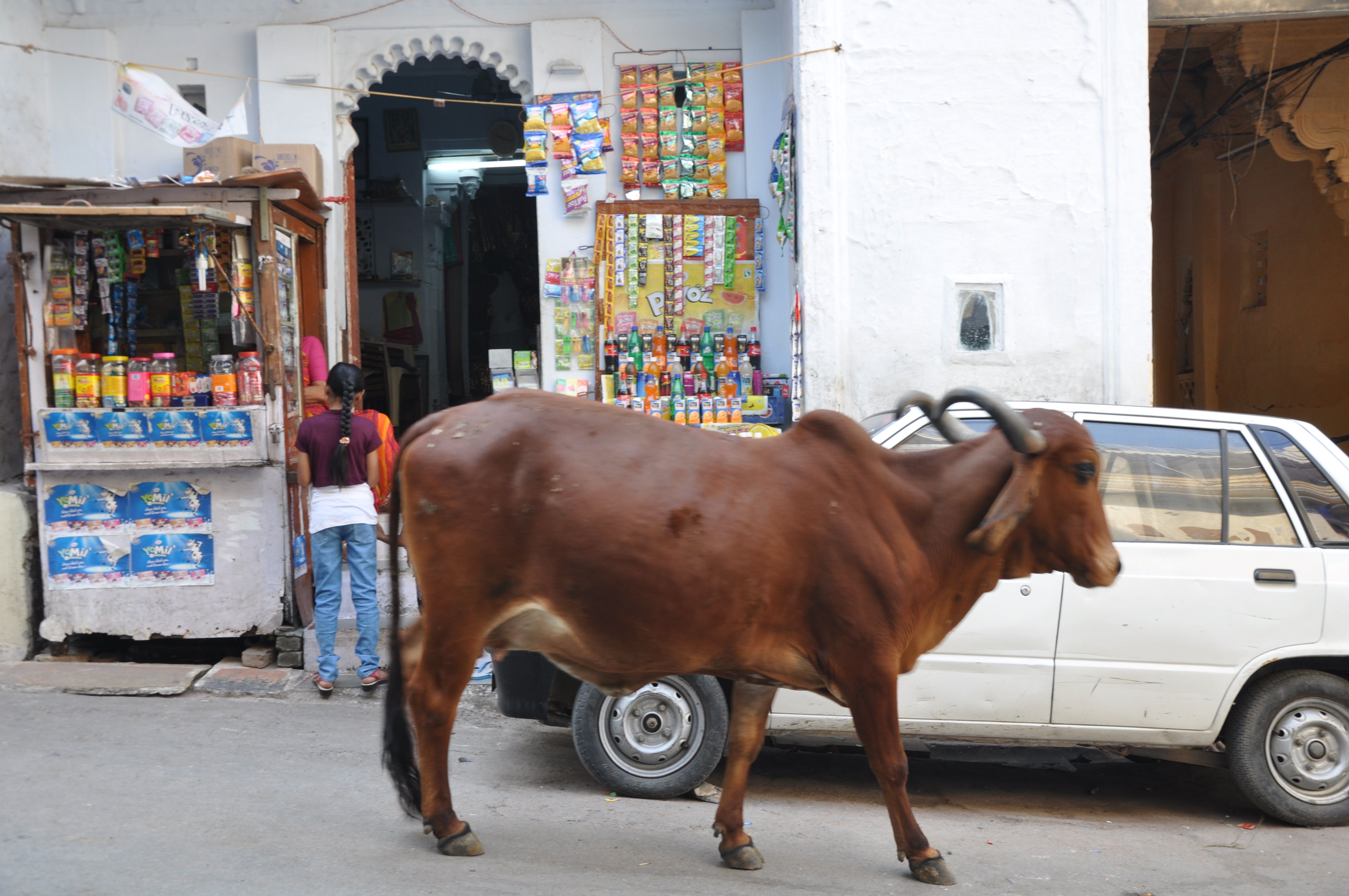 In India, roads have lanes, lights and medians, but these are merely suggestions. Cars careen forward, roll backwards, skip dividers, crash sidewalks. Mumbai taxi drivers have a motto - to survive India you need three things: a good horn, good breaks and good luck.
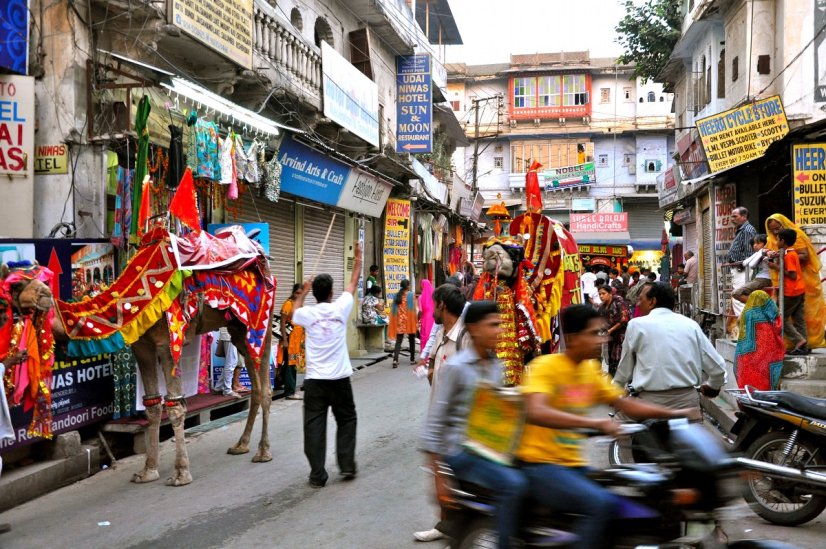
But it’s not only cars that need luck. Susukis zigzag through traffic carrying generations of family: baby riding jump seat, grammy riding sideways on the back. Pencil-legged men push carts of cement bricks, along food carts selling curry. Pimped out rickshaws with flashing disco-lighted interiors jerk about like bumper cars, pumping Eminem from their speakers. And don’t forget our four-legged road patrons: the elephant, the cow and the camel.
India has plenty of Western-styled ashrams that will teach you how to 'be present' but their meditation techniques cannot compare to how 'in the now' you’ll feel when you cross eight-lanes of moving traffic during Mumbai’s rush hour.
Indian drivers must wonder why automakers invented turn signals when they already had the horn. In India, the horn has as many uses as the road. If you’re changing lanes, you honk. If a cow is parked on your path, you honk. If you’re not sure whether you should honk, you honk. And while “How’s my driving” bumper stickers adorn American semis; neon Tata trucks carry hand-painted signs that implore, "Please honk.” Be assured there is no sleep on an Indian sleeper bus.
Roads are also centers of commerce. The moment sweat beads form and start rolling down your leg to the plastic seat you’ve been caked to for the past 30 minutes, an 8-year boy appears with an ice-cooler brimming with a selection of Fanta. His brother offers you an array of books based on his expert profiling formula. John Grisham, he recommends for the gentleman; “Fifty Shades of Grey” for the middle-aged missus. Each one photocopied by hand.
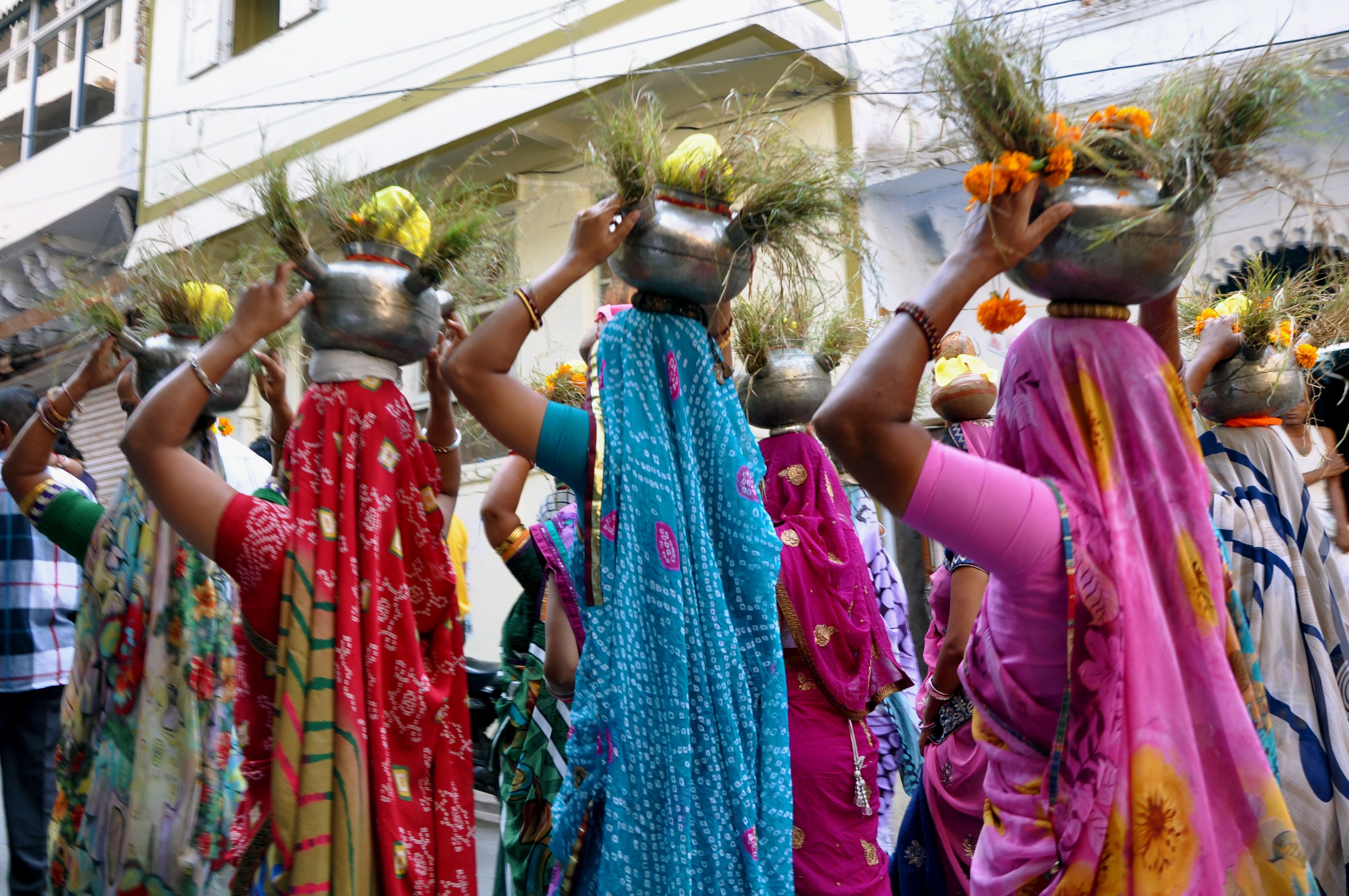
But just as you think your passage through India may include a collision with a cab or engulfment by a pool-sized pothole, the road transforms into something beyond its pedestrian pavement. From madness arises magic. A marching band will start stomping down the street, followed by teenagers trashing wildly to Bollywood music blasting on the back of a pickup truck. Children will smile as they offer you candy on the sidelines. Women will adorn you with marigold garlands. You’ll find yourself dancing and swaying in the middle of a street festival - the colors and textures of life surrounding you, like saris swirling in the jetstream of a motorbike. And for a moment you'll forget all your fears, all the rules, all the things like which direction that rickshaw should be going. Forward, backwards or left to right, there's no wrong way to get from one point to another, as long as you stay alive.